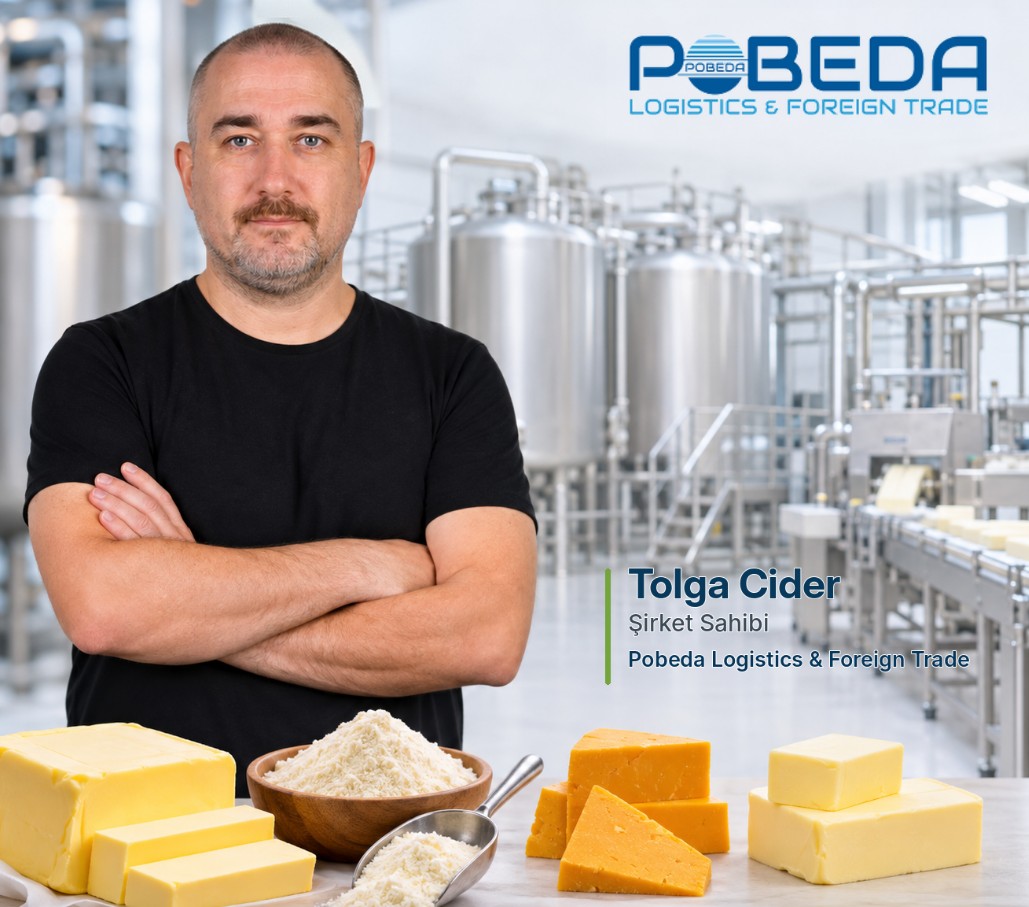
Mr. Cider, during the three years we had the chance to work together at Aynes Gıda Sanayi ve Ticaret A.Ş.*, your project management approach brought the R&D, quality and production teams together around shared goals. What was the secret of turning the motivation of technical teams into customer satisfaction and sales success?
* Following its acquisition on 2 November 2022, Aynes Gıda Sanayi ve Ticaret A.Ş. continues its operations as Tarım Kredi Süt Ürünleri A.Ş.
- The Desire to Make a Global Impact: Knowing that a product they made with their own hands will sit on supermarket shelves on the other side of the world and be consumed by consumers abroad is a powerful source of pride. The team leader should convey this feeling often.
- Breaking the Routine and Innovation: For talented employees who tire of daily operational repetition, work on a new product formulation, a packaging technique or compliance with international standards (such as FDA, IFS, BRC) should be framed in a way that motivates the team.
- Sharing Success (Recognition and Reward): When project milestones are reached (the first successful prototype, the first order, the first shipment), teams should be openly recognized in front of senior management and given tangible rewards such as performance bonuses.
Could you tell us about your journey from management roles in the dairy sector to running your own foreign trade company? How has your experience shaped Pobeda’s business model today?
What core services and processes set Pobeda apart from a trading company that simply buys and sells products? How would you define the concrete difference that makes a customer choose you over another supplier?

“The skill that makes the difference in a competitive environment, we could say, is conveying that analysis to the customer correctly and managing risk quickly and at reasonable cost.”
Tolga CiderApart from selling products from ready stock, do you also search for producers in Türkiye or abroad on a project basis for a customer’s specific request and organize the production? How do you start such a match?
When the first technical request comes in from a foreign customer, in what order do you manage product specification, samples, the price offer, producer selection, the contract and shipment? Which is the most critical decision point?
How do you act when the technical and commercial expectations of the producer and the buyer do not match? How do you ensure profitability and continuity while protecting long-term customer trust?
“Staying in the market depends on how much satisfaction you create with a calm approach in times of crisis. In the industrial market, once brand value is damaged, it takes a long time to win back.”Tolga Cider
Butter trade holds an important place in Pobeda’s dairy portfolio. Which types of butter, supplier countries and customer sectors see the most demand in your imports and exports?
How do you position products such as sweet cream butter, lactic butter, whey butter, anhydrous milk fat (AMF) and butteroil in different markets? Which technical criteria do customers look at when choosing between them?
The Inward Processing Regime (DİR) can offer tax advantages under certain conditions for imported inputs used in processed products to be exported. What is the real cost and competitive advantage of this model for biscuit, chocolate or bakery producers that use butter, and which obligations need to be managed well?
A measure announced in August 2026 also allows butter, within the scope of an Inward Processing Authorization Certificate (DİİB) and under suitable conditions, to be sourced from the Meat and Milk Board (ESK). How do you compare imported products and domestic supply in terms of price, continuity, quality and regulation?
What are the main variables that determine whether money is made in international butter trade today? Among world prices, exchange rates, financing, freight, storage and losses, which affects the margin most?
How do you control temperature history, oxidation, free fatty acidity, microbiological criteria and shelf-life risks in the trade of frozen or cold-chain butter? What are your red lines when accepting a supplier?
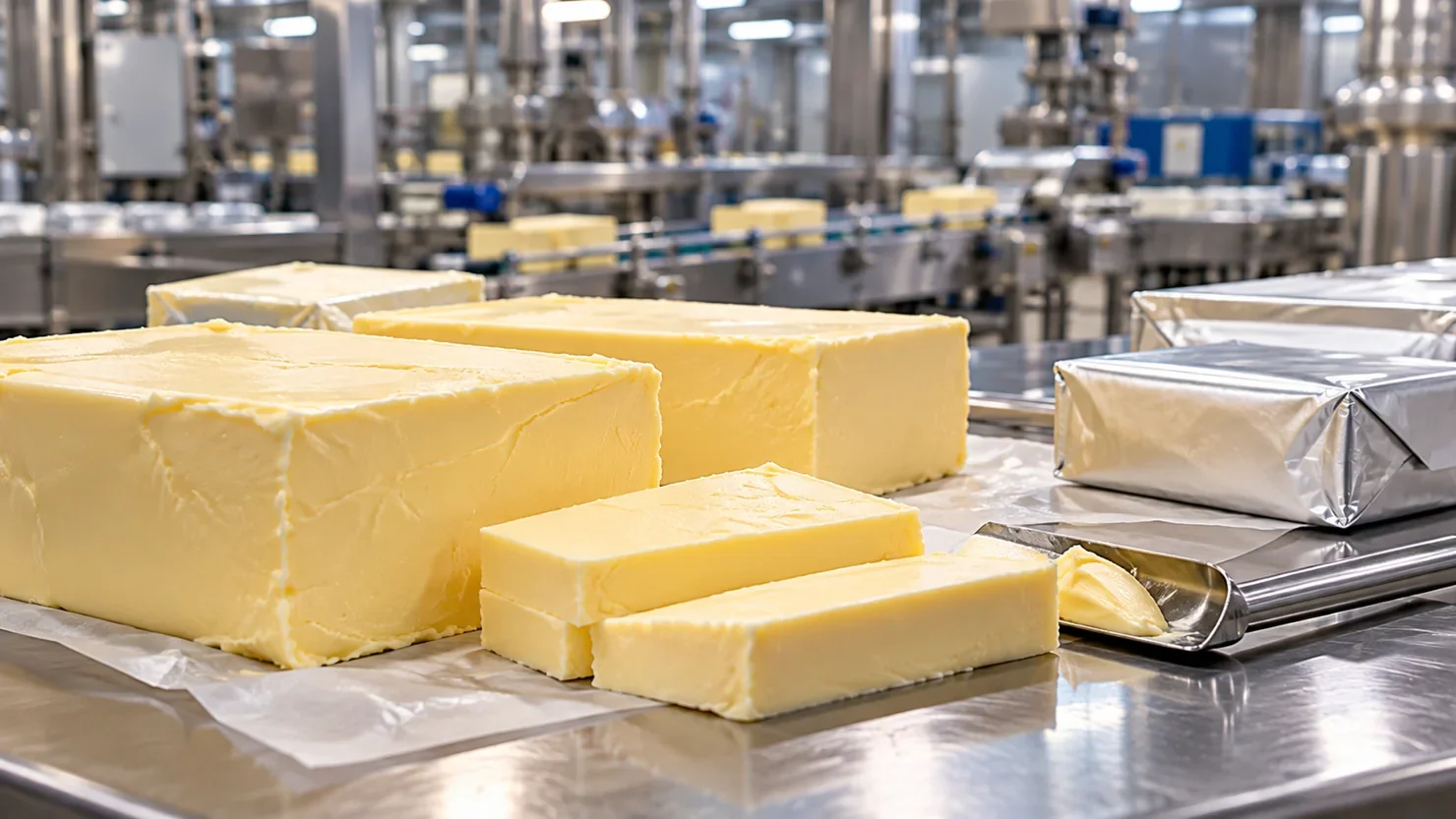
Is it really possible to make money from whey powder exports in 2026 conditions? Considering production costs, energy, exchange rates, transport and global competitor prices in Türkiye, under what conditions do you think a profitable operation emerges?
How do you distinguish standard whey powder, demineralized whey powder and whey protein concentrate (WPC) in terms of demand and added value? In what ways do food-grade and feed-grade markets differ?
Among skimmed milk powder (SMP), full cream milk powder (FCMP) and fat-filled milk powder alternatives, which products find buyers more easily today? Which technical properties can make a product stand out without competing on price?
When quoting for milk powder exports, a price per tonne is not enough. Which of heat treatment class, solubility, particle structure, microbiological properties, packaging and shipping conditions decide the fate of a sale?
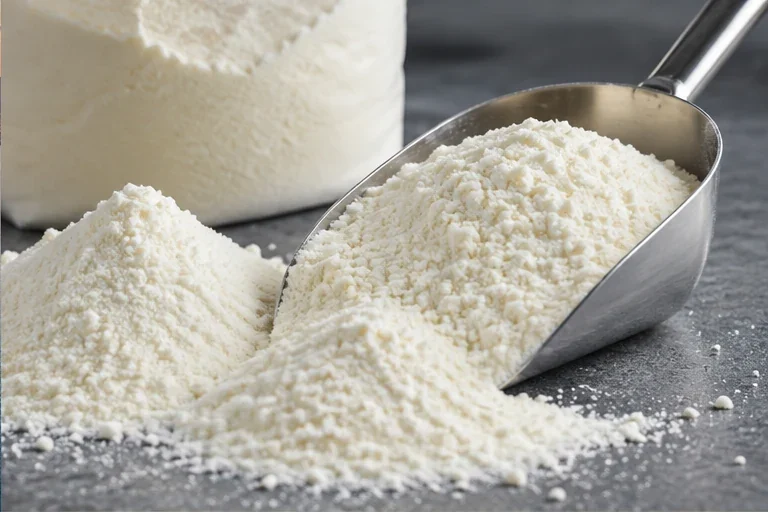
How do European and Asian industrial customers differ when buying milk powder and butter in terms of product standards, fat profile, functionality, certificates and packaging? Could you share a striking comparison from your experience?
What differences are there between European and Asian markets in sample approval, audits, price negotiation, delivery quantities and managing customer relationships? Are Turkish producers sufficiently prepared for these differences?
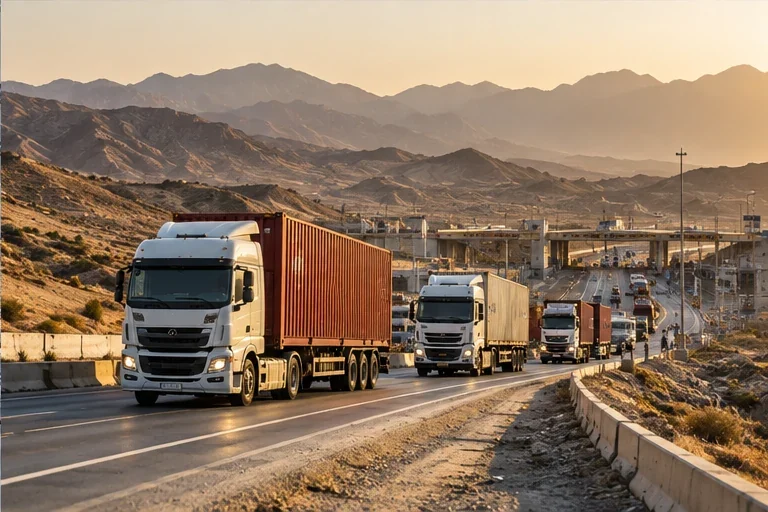
You also have commercial connections with Russia. While the Russia–Ukraine war continues, can dairy exports to Russia actually be carried out? What legal and operational checks on the product, the counterparty and the route must be done before you accept an order?
The Russian dairy market has changed significantly over the last decade, especially after 2014 and 2022. In 2014, Russia imposed an embargo on dairy imports from the EU and some other Western countries. Before then, European producers supplied Russia with significant quantities of cheese, butter and other dairy products. The embargo decision encouraged Russian companies to make large investments in domestic dairy farming and processing plants. In this process, Belarus also became one of Russia’s most important dairy suppliers.
With the war that began in Ukraine in 2022, the situation took on a different dimension. Banking restrictions, logistical difficulties and the withdrawal of some European suppliers from the market created new challenges for Russian dairy companies. In this process, “specialty milk proteins” such as casein, WPC 80 (whey protein concentrate), MPC 85 (milk protein concentrate) and whey protein isolates (WPI) became a particularly notable area. Russia had previously depended heavily on imports for such specialty ingredients. Although not all of these products were directly banned by EU sanctions, supply processes became considerably more complex. As a result, Russian companies began both to invest in domestic protein production and to look for alternative international suppliers.
Some key market figures are as follows:
· Raw milk production rose from about 33 million tonnes in 2022 to over 34 million tonnes in 2025.
· Russia is still a net importer of dairy products, with Belarus as its main foreign supplier.
· Dairy exports reached 369 million dollars in 2023 and 438 million dollars in 2024.
· According to leading sector estimates, export value exceeded 500 million dollars in 2025.
· Russia exports dairy products mainly to Kazakhstan, Belarus, Uzbekistan, Kyrgyzstan and Azerbaijan. At the same time, companies are showing growing interest in China, the Middle East, Africa and other Asian markets.
In my view, the biggest opportunity in the Russian dairy trade market today is not just producing more milk but developing advanced dairy ingredients and expanding exports. Russia already has a strong raw milk production base. The next key goal is to reach a globally competitive structure in the production of high value-added ingredients such as casein, WPC, MPC and WPI. I believe the Russian dairy industry will continue to transform through more investment in advanced processing, new export markets and alternative international supply chains.
As of now, there are 9 Turkish producers approved for dairy exports to Russia. Türkiye entered the market with the opportunity created when the Russian Federation, which imposed an embargo on Europe from early 2014, immediately looked for new suppliers, and in 2016 its dairy exports approached USD 20 million. However, because the number of approved plants did not increase over the past 10 years and no investment was made in products specific to the Russian market, there was no continuity, and exports fell to as little as USD 90 thousand in 2026.
What are the biggest risks in trade with Russia in terms of sanctions lists, collection through banks, insurance, transport and veterinary health certificates? Which preliminary checks do you consider essential for legitimate and sustainable trade?
To what extent have Iran-centered conflicts and uncertainties in the Gulf affected the trade in dairy ingredients in Iraq and neighboring markets? Do you see these developments as a short-term opportunity or as a need to diversify supply chain risks?
“Exporters must definitely have a plan B and prevent possible losses from growing by working through different scenarios.”Tolga Cider
How do you organize sales, R&D, quality assurance, production, purchasing and planning in a successful export project? How do you define each unit’s responsibilities, decision-making authority and shared timeline?
In exports of industrial dairy products (milk powder, whey powder, butter), managing non-standard products (customer-requested or custom-specification) requires a cross-functional (matrix) project organization. In this structure, the sales team takes the customer’s request, R&D validates the recipe, quality gives the legal/technical approval, and planning ties the whole process to a single “critical path” timeline.
Because raw milk quality changes with the seasons in industrial dairy products and printing special packaging (kraft bags, etc.) takes time, the timeline is built backwards from the customer’s target delivery date.
When working with different producers (toll manufacturers or suppliers), departmental roles, decision-making authority and shared timeline management should be structured as follows:
1. Phase 1: Feasibility and Samples (Weeks 1–2)
2. Phase 2: Approval and Contract (Week 3)
4. Phase 4: Series Production and Quality Control (Week 6)
When working with a project-based producer, what checks do you apply on plant capability, product traceability, specification compliance and customer audits? How do you secure quality continuity without doing the production yourself?
When working with project-based (toll or contract) producers, the way to ensure quality continuity without producing yourself is to set up contractually binding technical specifications, on-site supervision during production (third-party or by your own team) and a lot-by-lot independent laboratory approval mechanism.
For products with high microbiological and chemical sensitivity, such as industrial milk powder, whey powder and butter, these are the 4 basic control mechanisms you should apply:
1. Plant Capability and Pre-Approval Checks
Before placing an order with a producer, looking only at the plant’s general food certifications (BRCGS, IFS, FSSC 22000) is not enough; especially for non-standard products, the plant’s process capability must be verified:
· Process and Equipment Capability: For milk powder or whey powder with special fat/protein ratios, it is checked whether the plant’s evaporator, homogenizer and spray dryer capacity (inlet–outlet temperature control, nozzle design) suits the recipe.
· CIP (Clean-in-Place) and Allergen/Cross-Contamination Control: Before non-standard production, ATP/swab test records showing that the line has been fully cleaned are checked, and it is verified that no residue remains from the previous run (for example, from a product with a different fat content or containing lactose).
· Export Authorization Documents: It is confirmed that the plant holds the official approval numbers (TR approval number, etc.) required to export to the target country (for example, the EU, China, the Middle East, Russia).
2. Product Traceability Standards
To be able to trace a product’s origin within minutes in the event of a customer complaint or a customs return, the producer is required to follow these rules:
· Backward Raw Material Matching: For every lot of milk powder or butter produced, it must be recorded from which day’s raw milk or cream it was made, and even which farm/collection center it came from.
· On-Pack Coding Standard: The lot number (Lot No), production date (MFD) and expiry date (EXP) printed on kraft bags or butter cartons must follow the format you specify.
· Retention Samples: At least 2 retention samples from each production lot (one kept by the producer, one at your own office) must be stored under suitable temperature/humidity conditions for the product’s shelf life + 3 months.
3. Specification Compliance and Quality Continuity (Assurance Without Producing)
To prevent quality fluctuations at a toll manufacturer (for example, moisture coming out at 3.5% in one lot and 4.8% in another), a 3-stage lock system is applied:
Stage | Control Applied | Decision / Lock Mechanism |
Before Production | Quality Agreement: Signed as an annex to the commercial contract. It sets out tolerance ranges (e.g. Protein: 34% ± 0.5) and compensation/return terms in case of nonconformity. | No production order is issued until the agreement is signed. |
During Production | In-Line Inspection: Your own quality specialist or an inspection company (SGS, Bureau Veritas, etc.) is on the line during production and monitors incoming milk, drying temperature and in-line moisture/fat measurements. | Production is intervened in, or the lot is set aside, when deviations occur. |
After Production | Pre-Shipment Quarantine and Independent Analysis: In addition to the producer’s own certificate of analysis (COA), randomly taken samples are sent to an accredited external laboratory. | Positive Release: Goods cannot leave the warehouse until the external laboratory result is approved. |
4. Customer Audits and Confidentiality Management
When large industrial buyers (chocolate, biscuit, ice cream producers) want to audit the supply chain, you should manage the balance between the toll manufacturer and the customer as follows:
· Mock Audit: Audit the plant with your own quality team 2–3 weeks before the customer arrives, and have the producer close in advance any gaps the customer may find critical (hygiene, record keeping, pest control).
· Protecting Trade Secrets (NDA & Non-Circumvention): If the customer needs to see the producer’s plant directly, sign a Non-Circumvention and Non-Disclosure Agreement (NCNDA) with the producer beforehand. During the audit, apply a communication protocol that prevents the producer from discussing prices, raw material costs or direct sales channels with the customer.
· Leading the Audit: During a customer audit, your own quality and project team should sit at the table as host; the producer’s plant managers should take part in the process only as the technical operations team.
If deviations, delays or quality complaints arise in production after a project’s sample has been approved, how do you set up a crisis desk? Between the sales team and the technical team, who makes the final decision, and based on what data?
When deviations, delays or quality complaints arise in production despite an approved sample, a Crisis Desk (CAPA Team) is set up, led by “Quality Assurance” or “General Management” and able to make decisions within 24 hours, so that commercial concerns do not override technical facts.
In exports of industrial dairy products, where the cost of a product’s return (freight, customs, destruction) can exceed the value of the goods, the crisis management mechanism that resolves the conflict of interest between the sales and technical teams works as follows:
1. Crisis Desk Structure and the First 24-Hour Protocol
The moment a deviation or complaint is detected, standard operations are halted and a crisis desk made up of 4 core roles is convened:
· Crisis Desk Leader (Quality Assurance Manager or Operations Director): Manages the process and gathers the technical data.
· Technical Investigation Lead (R&D & Production Lead): Carries out the root cause analysis.
· Customer Communication Lead (Sales & Export Manager): Handles transparent communication with the customer through a single channel.
· Logistics and Planning Lead: Prepares the shipment block and the plan for alternative production or a substitute product.
Mandatory Actions in the First 24 Hours
· Lot Block (Quarantine): Shipment of the problem lot (and of neighboring lots produced from the same raw material/line) is immediately locked in the system.
· Retention Sample and Comparative Analysis: A sample from the production lot and the “Golden Sample” approved by the customer are tested at the same time in an accredited laboratory.
· Root Cause Identification: It is determined whether the problem comes from the raw material (seasonal change in milk fat/protein), a process error (drying temperature/moisture deviation) or packaging/storage.
2. Conflict Between the Sales and Technical Teams: Who Makes the Final Decision?
The sales team usually tends to say “let’s ship the product, the customer will manage” so as not to lose the customer or pay late-delivery penalties; the technical team, on the other hand, wants zero risk. To resolve this tension, decision-making authority is split in two by type of error:
Deviation / Risk Category | Final Decision-Maker | Basis for the Decision (Which Data?) |
Food Safety and Regulatory Deviation (Microbiological load, antibiotic/aflatoxin residues, noncompliance with target-country regulations) | Quality Assurance (Absolute Veto) | Accredited laboratory analysis report (COA), limits of the target country’s food code. The sales team or management cannot overturn this decision. |
Functional / Specification Deviation (Fat content of 25.2% instead of 26%, a difference in solubility or color, a delivery delay) | Senior Management (General Manager/Project Director) | The result of R&D’s application test (whether the deviation spoils the customer’s final product), and the cost of re-production vs. a price reduction (discount). |
3. Three Operational Scenarios in Case of Deviation
Once the crisis desk has put the technical data on the table, it ties the solution offered to the customer to one of these three options:
1. Conditional Acceptance and Commercial Discount (Concession): If the deviation does not affect food safety and can be compensated by adjusting the formulation in the customer’s process (for example, in biscuit or chocolate production), a technical report is presented to the customer and a price reduction per tonne is offered.
2. Rework / Blending: If there is another lot in stock at the upper limit of the specification, controlled blending is carried out with R&D approval to bring the product into the specification range, and it is tested again.
3. Rejection, Replacement Production and Compensation: If the product is unusable, the shipment is cancelled; the Quality Agreement made with the toll manufacturer is invoked, and the cost of re-production and the freight difference are recovered from the party at fault.
People who know you remember your results-oriented management style and your ability to mobilize teams. In your view, what is the real secret of Pobeda’s success? What are the three principles you would never give up in the business model you have developed?
What export roadmap would you recommend for the first 90 days to a Turkish SME that produces dairy products but does not yet have a strong customer network abroad? Which product, which market research and which sales channel should it start with?
What are the three costliest mistakes that companies new to exporting make in pricing, Incoterms delivery terms, payment security and contract management? What kind of control system should be set up to prevent them?
As we approach 2027, which opportunities in butter, milk powder and whey derivatives do you find most notable? Finally, what is the most important advice you would give to food engineers and company executives who export?
Going into 2027, the highest added value in the global dairy market is shifting away from standard commodities towards high-protein whey derivatives (WPC80, isolates and “clear whey”), specialty functional milk powders suited to GLP-1 diets and the healthy ageing trend, and anhydrous milk fat (AMF) and fractionated butters (such as croissant butter) for the food industry.
Limited raw milk supply due to environmental restrictions in the European Union, and global buyers turning to specified products rather than standard bulk products, are creating significant profit margins for companies that export tailor-made (custom-recipe) products.
1. Opportunity Areas for 2027 by Product Group
Whey Derivatives (Highest-Margin Area)
• WPC80, Isolate (WPI) and Clear Whey: As global capacity shifts towards high-protein products, the supply of standard sweet whey powder (SWP) and WPC34 is shrinking. Clear whey, which does not cause cloudiness in the beverage industry, and hydrolyzed WPC forms for sports/clinical nutrition are the fastest-growing niche areas.
• Demineralized Whey (D40 -50-70- D90): Demand from infant formula and chocolate/biscuit producers in the Middle East, North Africa (MENA) and Southeast Asia offers a strong price advantage, especially in the D70 and D90 segments.
Milk Powder Derivatives (Functional Customization)
• Blends Focused on GLP-1 and Healthy Ageing: The need of consumers using weight-management drugs (GLP-1) and of an ageing population to preserve muscle mass is increasing demand for milk-powder-based blends with high protein density per serving that are easy to digest (lactose-free or with A2 protein).
• Powders with Customized Heat Treatment and Fat Profile: Instead of standard skimmed (SMP) or whole (WMP) milk powder, functional blends for the pastry, coffee whitener and ice cream industries are coming to the fore: high-heat powders, powders enriched with vegetable fat (FFMP) or those containing buttermilk powder.
Butter and Milk Fat Derivatives
• Anhydrous Milk Fat (AMF) and Fractionated Butter: While standard block butter sees price fluctuations, butters with an adjusted melting point (plastic) for croissant/puff pastry producers and long-shelf-life AMF of 99.8% purity are in high demand in distant markets (Asia and the Gulf countries) because they lower cold-chain costs.
• Cultured (Fermented) Industrial Butter: In traditional (artisan) bakery and premium biscuit markets, cultured butters with an enriched aroma profile find buyers at higher unit prices than standard sweet cream butter.
2. The Most Important Advice for Food Engineers and Company Executives Who Export
“Position yourself not as a ‘commodity trader’ but as a ‘solution partner’ who makes the R&D process in the customer’s factory easier; never separate technical specifications from commercial profitability.”
To put this approach into practice in the field, focus on three critical principles:
1. For Food Engineers (Commercial Awareness): When developing a recipe, focus not only on laboratory excellence but also on that specification’s effect on cost and availability across the supply chain. If you can achieve the same viscosity in the customer’s final product (for example, in a chocolate coating) with a lower-cost combination of milk powder and whey, you will win that project before your competitors.
2. For Company Executives (Data and Risk Discipline): The biggest trap in exporting non-standard products is commercial orders taken without the technical team’s approval. Balance the speed of the sales team with the technical braking mechanism of R&D and Quality Assurance; look for profitability not in tonnage but in repeat, hard-to-replace contracts for custom-recipe products.
3. Shared Vision (Regulation and Sustainability): From 2027, importing markets, led by the EU and the Gulf countries, look not only at product analysis (COA) but also at traceability and carbon footprint declarations. Build your supplier pool now from producers that have this digital and technical record-keeping infrastructure.